



Cardiovascular Diseases
Diabetes
Chronic Respiratory Diseases
Cancer
NON- COMMUNICABLE DISEASES
Non-communicable diseases (NCDs)—primarily cancer, cardiovascular disease, diabetes, and chronic respiratory illnesses—are the leading causes of death and disability in Egypt, accounting for roughly70-80% of all deaths.
Approximately 44% of Egyptians adults live with at least one chronic disease, with prevalence rising with age, notably for hypertension, osteoarthritis, and diabetes.
Noncommunicable diseases (NCDs), including cardiovascular diseases CVDs, cancer, chronic respiratory diseases (CRD), and diabetes, are the leading causes of death and disability in Egypt , NCDs were responsible for 2,5 million deaths, with 38% of these deaths occurring prematurely.



Noncommunicable diseases (NCDs) are the leading cause of death in Egypt, accounting for roughly70-80% of deaths, with cardiovascular diseases, cancer, and diabetes being most prevalent
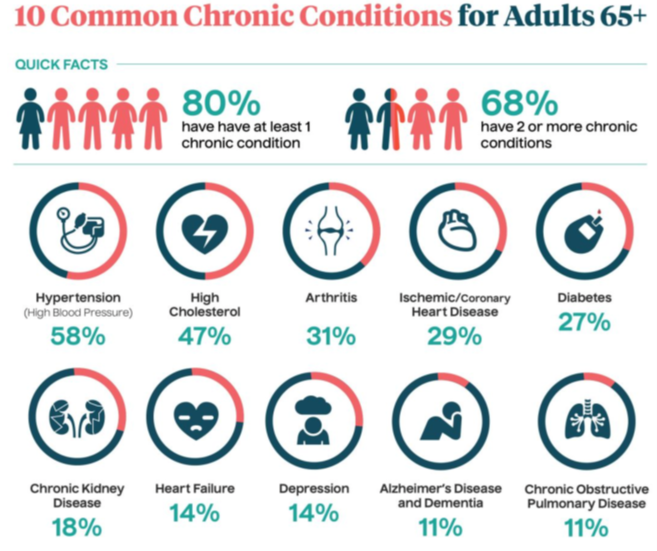
- Key Health Issues & Diseases in Egypt:
• Leading Causes of Death (NCDs): Cardiovascular diseases (40% of deaths), cancer (13% of deaths), diabetes, and chronic respiratory
diseases are the primary drivers.
• Lifestyle Factors: High rates of tobacco use (23% of adults) and
obesity (1 in 3 adults) significantly contribute to the burden of NCDs.
The Emerging Crisis: Noncommunicable Diseases
Proportion of Death and Disability from NCDs that Arises Before Age Sixty
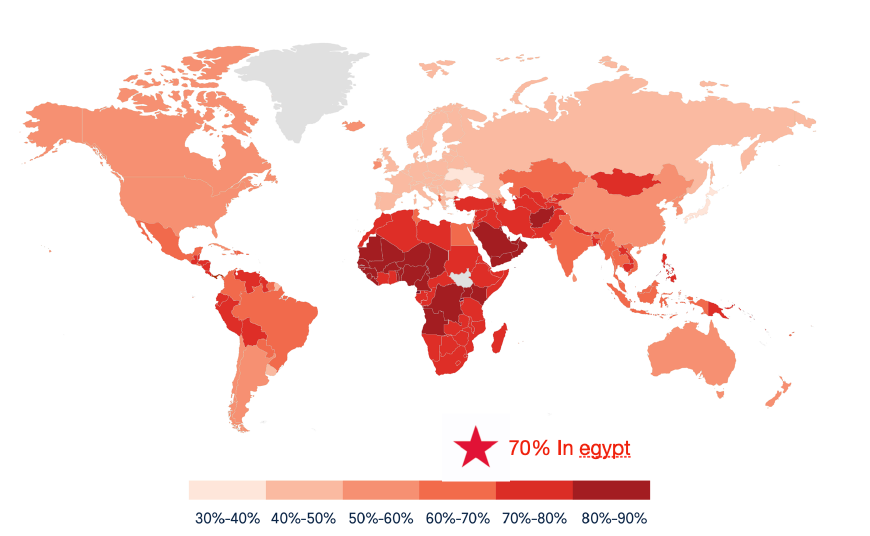
The worldwide increase of non-communicable diseases is a slow-motion disaster … but the unhealthy lifestyles that fuel these diseases are spreading with a stunning speed and sweep.
YEARLY DEATH FROM NONCOMMUNICABLE DISEASES
181,000
Cardiovascular Diseases Cardiovascular diseases (CVDs) are the leading cause of death in Egypt, accounting for approximately 46% of all deaths. Coronary heart disease specifically caused around 173,871 deaths (32.4% of total deaths)
115,000
Obesity is a major public health crisis in Egypt, causing approximately 115,000 deaths annually, which represents around 19% to 20% of total adult mortality.
122,700
Diabetes-related mortality in Egypt is high, with estimates ranging from approximately 122,700 deaths annually, it was listed as one of the top causes of death in Egypt, affecting nearly 15% of the adult population.
21,000
Hypertension causes approximately 21,094 deaths annually in Egypt, accounting for about 3.93% of total deaths. It is a leading cause of cardiovascular morbidity and mortality.
7,800
Hypertension causes approximately 21,094 deaths annually in Egypt, accounting for about 3.93% of total deaths. It is a leading cause of cardiovascular morbidity and mortality.
95,000
In 2022, there were an estimated 95,275 cancer-related deaths in Egypt, Cancer is a major health issue, representing the second leading cause of mortality in the country.
SILO IN EXISTING EGYPT HEALTHCARE SYSTEM
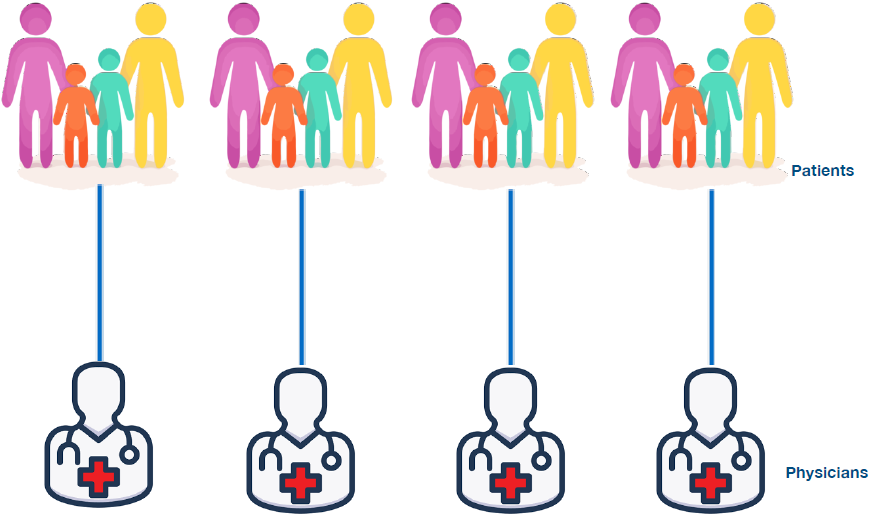
Multi-provider fragmented care is when patients see many uncoordinated healthcare providers, leading to communication gaps, missed information, medical errors (like drug interactions), increased costs, and worse outcomes, especially for those with chronic conditions, as care happens in disconnected “silos” rather than a unified plan. Solutions involve better provider communication, shared electronic records, aligned
incentives, and care coordination roles to ensure a holistic view of the patient’s health.
NEW DISTRIBUTED INTEGRATED HEALTHCARE MODEL

ImariMed distributed Integrated healthcare solutions combine various medical services—such as primary care, behavioral health, and specialty care—into a single, coordinated system distributed
closer to patients to improve patient outcomes, enhance experience, and reduce costs.
These Systems use shared Electronic Health Records (EHRs) and interdisciplinary teams to provide seamless, comprehensive, and patient-centered care, reducing hospital readmissions

Comprehensive Care Coordination: Managing the full continuum of care, from prevention to treatment and rehabilitation, across different levels of service by Interdisciplinary Teams with Collaboration among physicians, nurses, psychologists, and specialists, particularly for managing chronic diseases like diabetes.